

Loan scammers rely on urgency, authority, and fear to bypass rational thinking. Nora, the AI assistant at PhoneShield.ai, is trained to detect specific high-pressure phrases that signal a fraudulent intent. By identifying these linguistic red flags, the system can decline the call before it reaches your phone, protecting you from financial loss. For additional details, review the Contact us PhoneShield ai.
Urgency and Artificial Deadlines
The most common tactic in loan scams is the creation of immediate, irreversible deadlines. Scammers often use phrases like “your approval expires today” or “you must act within the hour” to prevent the victim from verifying the claim. This psychological pressure forces a decision before the victim can consult a bank or family member. Nora recognizes these time-bound threats as a primary indicator of fraud.
Legitimate financial institutions do not operate on such short timelines for major decisions. A real loan officer will provide ample time for review and documentation. When a caller insists on immediate action to avoid a penalty or loss of funds, the script is almost certainly fraudulent. The system flags these urgency markers to ensure the call is declined politely but firmly. For additional details, review the About PhoneShield ai Who.
Authority and Impersonation Tactics
Scammers frequently impersonate government agencies or established banks to gain trust. Common phrases include “this is the fraud department” or “we are from the underwriting division”. They may use formal titles and technical jargon to appear legitimate. Nora is trained to recognize the mismatch between the caller's claimed authority and the context of the call.
Impersonation often involves a sense of secrecy or special access. The caller might claim they are handling a “confidential case” or a “special review” that only they can discuss. This tactic isolates the victim from normal verification channels. By identifying these impersonation scripts, the front desk can refuse the call, preventing the scammer from establishing a false sense of authority.
Payment and Wire Instructions
Once trust is established, the scam shifts to the request for funds. Phrases like “send a wire transfer” or “purchase gift cards” are major red flags. Legitimate lenders never ask for upfront fees via untraceable methods. Nora detects these payment instructions as a critical failure point in the conversation.
Scammers often frame the payment as a “processing fee” or “insurance deposit” required to release the loan. They may provide a specific amount, such as “$5,000”, to make the request seem concrete. The system is designed to decline any call that transitions from discussion to a direct request for immediate, untraceable payment. This stops the financial transaction before it can occur.
Secrecy and Isolation Requests
Isolation is a key component of social engineering. Scammers often ask the victim to “keep this between us” or “not tell your family”. They may claim that discussing the matter with others will void the approval or trigger an investigation. This request for secrecy is a clear signal of malicious intent.
Legitimate financial services encourage transparency and documentation. They will never ask you to hide a transaction from your spouse, children, or financial advisor. Nora recognizes these isolation phrases as a high-risk indicator. By refusing calls that demand secrecy, the system protects the victim's support network and prevents the scammer from controlling the narrative.
How Nora Processes These Scripts
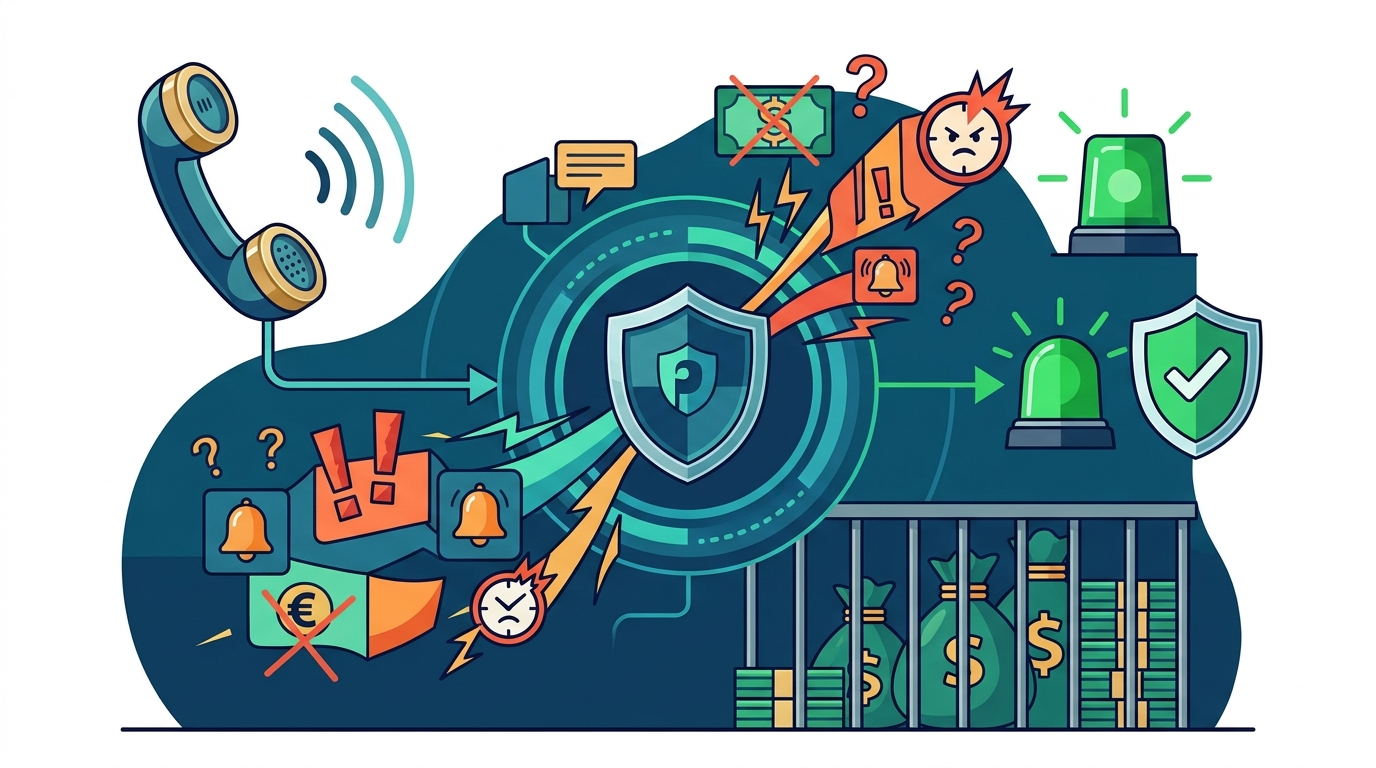
Nora does not simply block numbers; it listens to the content of the call. The AI analyzes the conversation in real-time, comparing the caller's phrases against a database of known scam scripts. If the caller uses a combination of urgency, impersonation, and payment requests, the system declines the call. This content-based screening is more effective than simple number blocking, which can be bypassed by spoofing.
The process is transparent for the user. After a call is declined, you receive a summary of what happened and why. This allows you to see the specific phrases that triggered the refusal. For families, this provides peace of mind, knowing that the system is actively protecting against sophisticated social engineering. You can review these transcripts in the PhoneShield app to understand the threats your phone has faced.
Key Takeaways
- Urgency is a red flag: Phrases like “expires today” or “act now” are common in loan scams.
- Impersonation relies on authority: Scammers often claim to be from “fraud departments” or “underwriting” to gain trust.
- Payment requests are critical: Requests for wire transfers or gift cards are immediate indicators of fraud.
- Secrecy isolates victims: Asking you to “keep it secret” is a tactic to prevent verification.
- Transparency matters: You can review why a call was declined in the PhoneShield app.
Frequently Asked Questions
Does Nora listen to every word of the call?
Yes, Nora processes the audio in real-time to identify scam patterns. It does not store the full audio for long-term use, focusing instead on the decision to decline or pass the call.
Can scammers bypass Nora by changing their words?
While scammers adapt, Nora is trained on a wide variety of script variations. The system looks for the underlying intent, such as urgency and payment requests, rather than just specific keywords.
What happens if a real bank calls with similar phrases?
Legitimate banks rarely use high-pressure urgency or secrecy tactics. If a real caller is declined, you can review the transcript and adjust your settings or whitelist the number for future calls.
Does Nora work on landlines?
PhoneShield is designed for mobile phones that support call forwarding. Landlines do not support the same level of AI screening, so the service is optimized for smartphones.
How much does the service cost?
PhoneShield offers a flat monthly rate that includes scam blocking and front-desk screening. Additional talk time with Nora is metered after the included minutes are used.
Can I see the transcript of a declined call?
Yes, the app provides a summary and transcript of the conversation, showing the specific phrases that led to the refusal. This helps you understand the threat.
Is my data shared with third parties?
PhoneShield prioritizes privacy. Your call data is used to improve the screening model but is not sold to third parties. You can review the privacy policy for more details.
Protect Your Line with PhoneShield
Understanding these phrases is the first step, but relying on your own vigilance is not sustainable. PhoneShield.ai provides an automated shield that handles these threats for you. By forwarding your phone to PhoneShield, you ensure that known scammers are refused before they can deploy their scripts. See how PhoneShield works to learn more about the front-desk screening process. Protect your family and your finances by letting the system handle the calls you should never have to answer.