
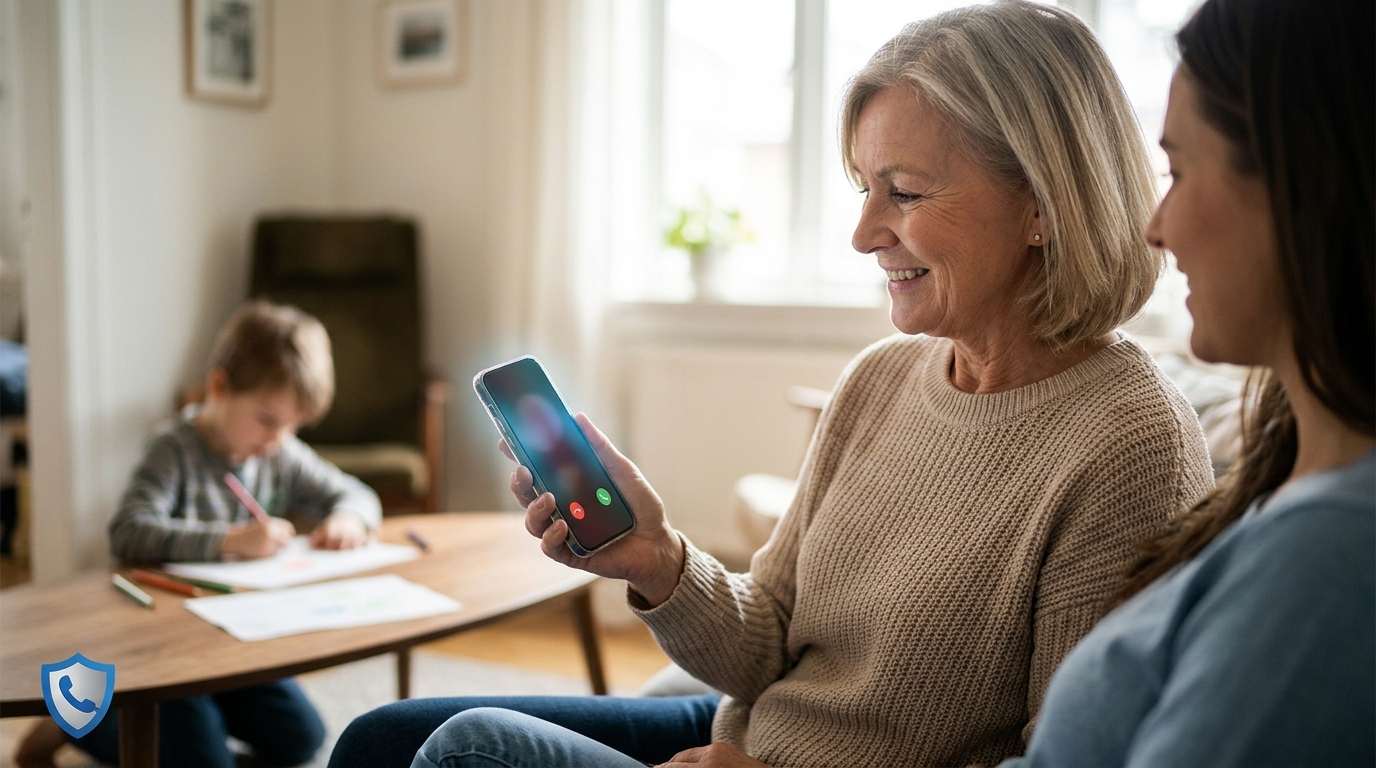
Scam call blocking is a proactive defense system that intercepts fraudulent calls before they reach a user's device. It works by analyzing incoming calls against verified scam databases and using AI to screen unknown callers. This technology is critical for protecting family members, particularly older adults, from the financial and emotional harm caused by sophisticated phone fraud.
The Limitations of Passive Blocking
Traditional call blocking relies on a passive list of known bad numbers. This method is often insufficient because scammers constantly change their phone numbers. A block list can only stop a number after enough people have reported it, which is too late for the first victim. Furthermore, scammers use spoofing technology to disguise their caller ID, making it appear as if they are calling from a local or trusted number. according to Spam Calls Won
Because of these limitations, passive blocking often fails to stop the most dangerous calls. The scammer simply moves to a new number, and the cycle continues. This is why modern protection requires a more active approach that does not rely solely on a static list of reported numbers. according to Complain about phone
Active Screening and AI Front Desks
Active screening is a method where a service answers the call before the user's phone rings. This is the core mechanism of PhoneShield.ai. Instead of just blocking a number, the system engages the caller. An AI assistant, known as a front desk, asks the caller to identify themselves and state the purpose of the call. This interaction provides the context needed to determine if the call is legitimate.
For example, if a caller claims to be from a bank's fraud department, the AI can detect the urgency and specific scripts often used in these scams. The system then refuses the call before it reaches the user. This active engagement is far more effective than passive blocking because it catches scammers using brand-new or spoofed numbers that are not yet on any block list.
Protecting Family Members
Phone fraud disproportionately affects older adults, who are often targeted due to their politeness and willingness to help. According to the FBI, Americans over 60 lost $7.75 billion to fraud in 2025, a 59% increase in one year. These losses are not just financial; they cause significant emotional distress and a loss of independence. Family members often feel helpless when they cannot be physically present to protect their loved ones.
PhoneShield.ai addresses this by allowing family members to set up protection for a parent's phone. The parent keeps their existing number and phone, so their routine does not change. However, the family can see a record of every call, including which ones were blocked and why. This transparency provides peace of mind for the family while preserving the independence of the parent.
The Role of Shared Data
Effective scam call blocking relies on shared data. When a user reports a scam call, that information is added to a shared database. This database is then used to protect all other users of the service. PhoneShield.ai uses a shared scam list built from confirmed scam verdicts, customer reports, and FTC complaints. This collective intelligence allows the system to identify and block new threats quickly.
The more users a service has, the more effective its shared database becomes. This network effect creates a stronger defense for every individual user. It is a collaborative approach to fraud prevention that no single user could achieve on their own. By contributing to the shared list, users help protect their entire community.
Implementing Protection
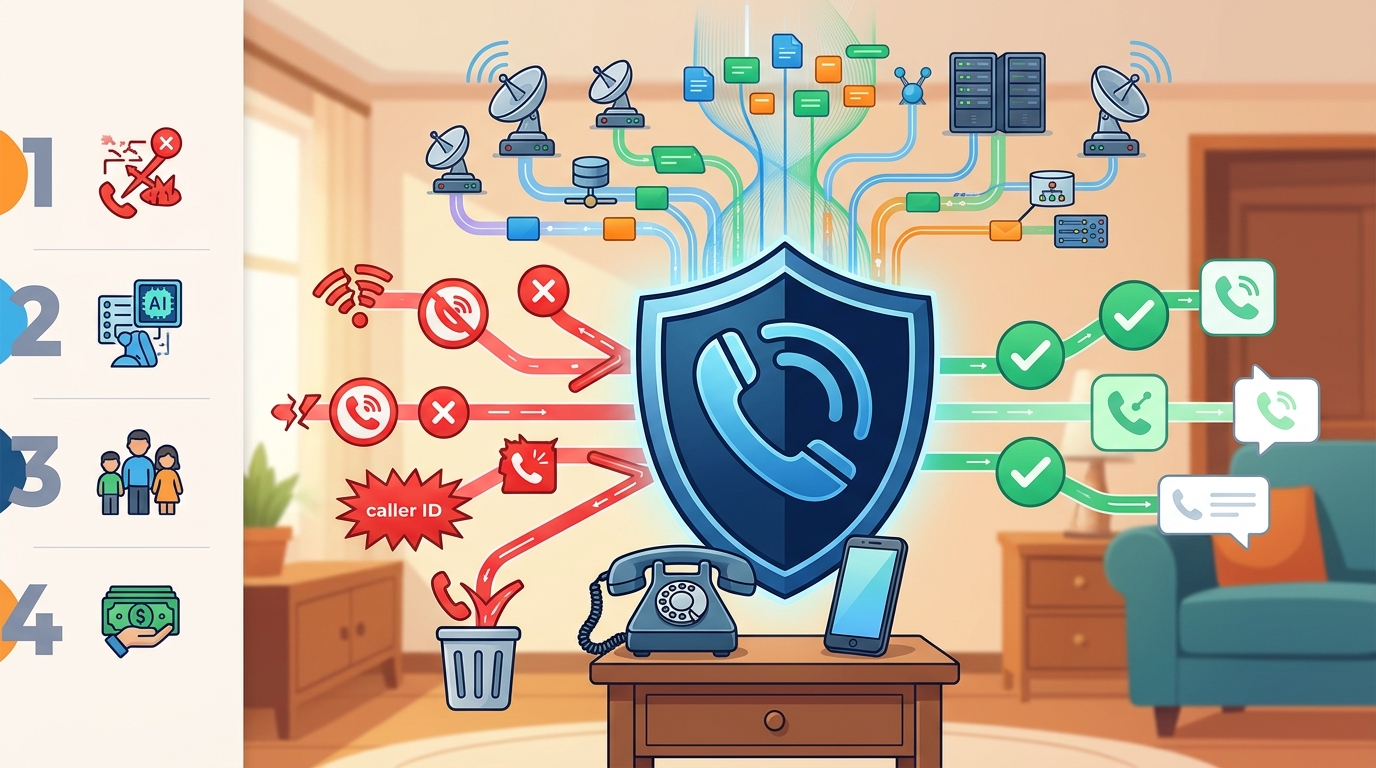
Setting up active call protection is straightforward. With PhoneShield.ai, the process takes about ten minutes. You subscribe to the service, which assigns you a PhoneShield number. You then forward your phone number to this new number using a simple carrier code. Once forwarding is active, all incoming calls are routed through the PhoneShield system. Known scammers are refused, family and favorites ring straight through, and everyone else is screened by the AI front desk.
This setup requires no new phone or new routine for the person being protected. They continue to use their existing device and number. The protection happens in the background, ensuring that only legitimate calls get through. For families, this is a simple and effective way to add a layer of security to a loved one's daily life.
Key Takeaways
- Passive call blocking is often ineffective because scammers frequently change numbers and use spoofing.
- Active screening, where an AI answers the call first, is a more robust defense against new and spoofed numbers.
- Older adults are the primary targets of phone fraud, suffering significant financial and emotional losses.
- Shared databases of reported scams allow protection services to identify and block threats faster. according to Block Unwanted Calls
- PhoneShield.ai allows family members to protect a parent's phone without changing their number or routine.
- Setting up active call protection is a simple process that can be completed in about ten minutes.
Frequently Asked Questions
How does PhoneShield differ from standard carrier spam filters?
Carrier spam filters typically label or block calls based on a list of known spam numbers. PhoneShield uses active screening, where an AI assistant answers the call and asks the caller to identify themselves. This allows PhoneShield to catch scammers using new or spoofed numbers that are not yet on any block list. according to Unwanted Calls Texts
Does the person being protected need to install a new app?
No. The person being protected keeps their existing phone and number. The only change is that their calls are forwarded to PhoneShield. The PhoneShield app is installed on the family member's phone to view the call history and manage settings, but the protected person does not need to use the app.
Can PhoneShield block calls from family and friends?
No. You can add family and friends to a favorites list. Calls from these numbers ring straight through to the protected person's phone, just as they always have. The AI screening only applies to unknown callers.
What happens if a legitimate caller is mistakenly blocked?
If a legitimate caller is mistakenly blocked, they can leave a message with the AI assistant. The family member can then review the message and call the person back. The system is designed to err on the side of caution, so when in doubt, it will let the call through or take a message.
Is PhoneShield available for landlines?
Yes. PhoneShield works with any phone that can forward calls, including landlines. You can forward a landline number to PhoneShield to protect it from scam calls.
Conclusion
Scam call blocking is an essential tool for protecting your family from the growing threat of phone fraud. By using active screening and shared data, services like PhoneShield.ai provide a robust defense that goes beyond the limitations of traditional block lists. This technology allows you to protect your loved ones while preserving their independence and routine. To secure your family's phone, visit PhoneShield.ai and set up protection today.