

Apple's built-in spam filtering is a passive labeler, not an active blocker. It identifies likely spam texts but leaves them in your inbox, requiring you to manually delete them. This approach offers limited protection against sophisticated text message scams that rely on social engineering rather than just volume. For robust defense, active screening is necessary. For additional details, review the Contact us PhoneShield ai.
The Passive Nature of Apple's Labeling
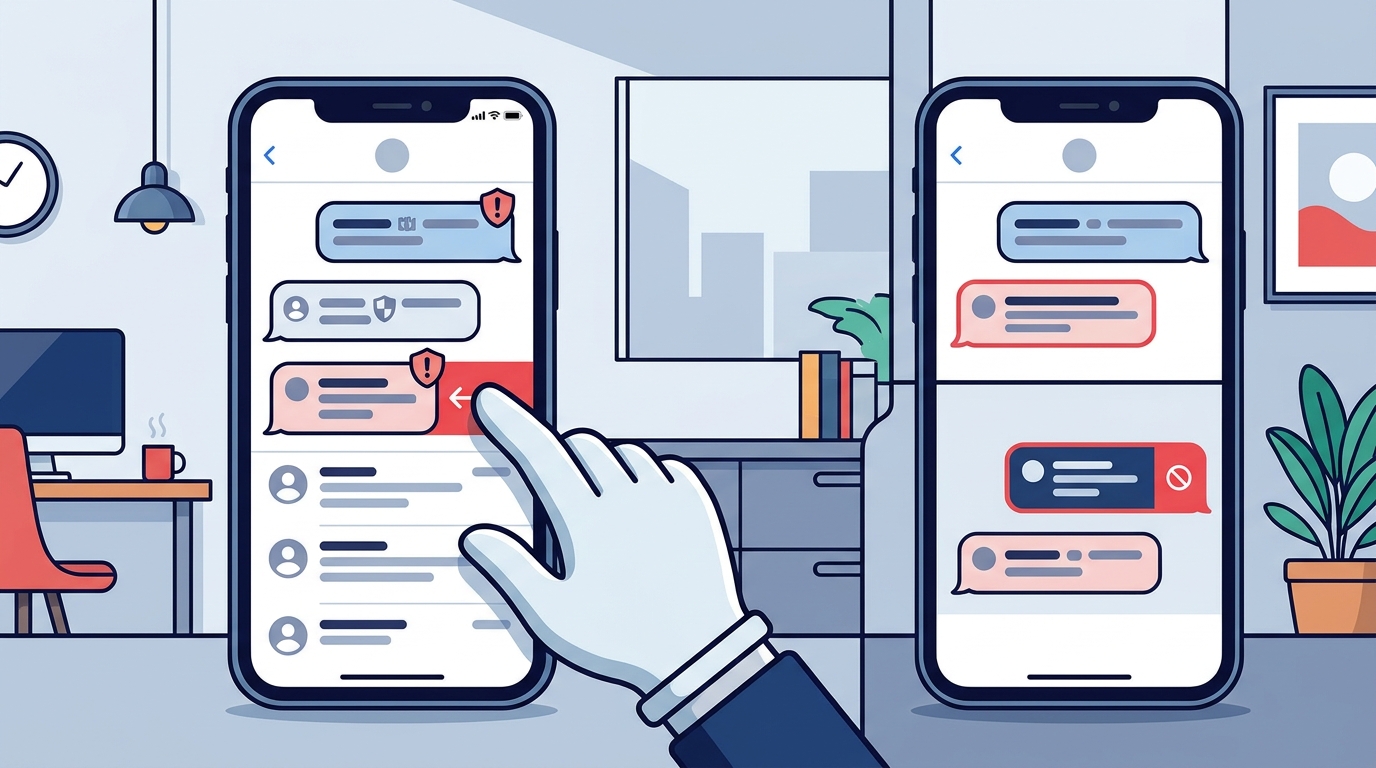
Apple's spam filtering is a heuristic system that analyzes message content and sender history to apply a 'Spam' label. It does not remove the message from your main inbox by default. Instead, it groups these messages in a separate 'Spam' folder, which is often overlooked by users. This design choice means that the burden of detection remains with the user. If you do not check the Spam folder, you might miss a legitimate message, or worse, you might ignore a scam that slipped through the labeler.
The effectiveness of this system is limited by its reliance on known patterns. Scammers constantly evolve their scripts to bypass these heuristics. A text that looks like a delivery notification or a bank alert may not trigger the spam label if it uses new phrasing. Consequently, the built-in filter acts as a first line of defense against obvious, high-volume spam, but it fails against targeted, low-volume social engineering attacks.
Why Built-in Filters Miss Sophisticated Scams
Text message scams, or smishing, often rely on urgency and emotional manipulation rather than just keyword triggers. A message claiming your package is held up or your bank account is compromised may appear legitimate to a heuristic filter. Apple's system is not designed to verify the identity of the sender or the truthfulness of the content. It simply categorizes based on probability. This gap leaves users vulnerable to scams that are crafted to look like trusted services.
For example, a scammer might use a short code that mimics a real business. The built-in filter may not flag this if the short code has not been widely reported yet. The implication is that users must remain vigilant. Relying solely on the phone's built-in tools creates a false sense of security. You are still the final decision-maker, and a single mistake can lead to financial loss or identity theft.
The Role of Active Screening in Defense
Active screening is a proactive method where a service answers or intercepts communications before they reach the user. Unlike passive labeling, active screening can engage with the sender to verify intent. PhoneShield.ai uses this approach to handle calls and texts. It does not just label; it screens. This distinction is critical for high-risk targets like older adults who may be more susceptible to polite but fraudulent requests.
PhoneShield.ai integrates a front-desk screening system that asks callers and senders to identify themselves. This active engagement helps distinguish between a real service provider and a scammer. The service is designed to protect the user's time and safety by handling the initial interaction. This level of intervention is not available in standard iPhone settings, which only offer basic blocking and labeling.
Limitations of User-Managed Blocking
Users can manually block numbers on their iPhone, but this is a reactive measure. You must receive the scam text first to block the sender. By then, the damage may already be done if you clicked a link or replied. Manual blocking is also time-consuming and does not scale. If you receive ten scam texts a day, blocking them one by one is impractical. The built-in filter does not automate this process effectively enough to stop all threats.
The implication is that user-managed blocking is a supplement, not a solution. It works best when combined with other tools. However, for most users, the cognitive load of managing blocks and checking spam folders is too high. This is where a dedicated service like PhoneShield.ai adds value. It automates the screening process, reducing the need for constant user intervention.
Enhancing Protection with PhoneShield.ai
PhoneShield.ai offers a comprehensive solution that goes beyond Apple's built-in features. It provides a shield that refuses known scam numbers before they ring or text. For texts, it can filter and sort messages, ensuring that only legitimate communications reach your inbox. This active filtering is a significant upgrade from passive labeling. It reduces the noise and risk associated with daily phone use.
The service is particularly effective for families looking to protect older relatives. It allows family members to monitor what is being blocked and what is getting through. This transparency provides peace of mind. By using PhoneShield.ai, you are not just labeling spam; you are actively managing your communication environment. This proactive approach is essential in an era where phone scams are increasingly sophisticated.
Key Takeaways
- Apple's built-in spam filtering is passive and only labels messages, leaving them in your inbox.
- Built-in filters rely on heuristics and can miss sophisticated, targeted smishing attacks.
- Manual blocking is reactive and time-consuming, offering limited protection against high-volume scams.
- Active screening, as used by PhoneShield.ai, engages with senders to verify intent before delivery.
- PhoneShield.ai provides a proactive shield that refuses known scams and sorts texts automatically.
- For high-risk users, such as older adults, active screening is more effective than passive labeling.
- Combining built-in tools with a dedicated service like PhoneShield.ai offers the best defense.
Frequently Asked Questions
Does iPhone spam filtering delete scam texts?
No, it does not delete them. It moves them to a Spam folder. You must manually delete them if you do not want them in your inbox.
Can iPhone built-in filters stop all smishing attacks?
No, they cannot. They are heuristic-based and can be bypassed by new scam scripts. They are not a complete solution.
How does PhoneShield.ai differ from iPhone's built-in filter?
PhoneShield.ai uses active screening to engage with senders and verify intent. It also provides a shared scam list for proactive blocking.
Is it safe to rely only on iPhone's spam settings?
It is not recommended for high-risk users. You should use additional tools like PhoneShield.ai for better protection.
Does PhoneShield.ai work with iPhone texts?
Yes, it can filter and sort texts on iPhone, providing active screening and spam management.
Conclusion
iPhone's built-in spam filtering is a useful but limited tool. It labels, but it does not protect. For serious defense against text message scams, you need active screening. PhoneShield.ai provides this layer of protection, ensuring that only legitimate communications reach you. To secure your phone and your family's, consider upgrading your defense with PhoneShield.ai.