

Review call transcripts daily during the first two weeks of setup, then shift to a weekly summary review. This cadence balances the need to catch evolving scam scripts with the practical limits of family time. This guide explains how to recognize fraud patterns in text logs and establishes a sustainable schedule for monitoring a parent's phone line using PhoneShield.ai. For additional details, review the Contact us PhoneShield ai.
Fraud Pattern Recognition
Identifying fraud in a text transcript requires looking beyond the content of the message to the behavior of the caller. A fraud pattern is a recurring sequence of caller actions, such as repeated attempts from different numbers or escalating urgency in the language used. Families often miss these signals because they focus on whether a specific call was blocked, rather than the aggregate behavior of unknown numbers. For additional details, review the About PhoneShield ai Who.
Urgency and Emotional Manipulation
Scammers rely on creating a sense of immediate crisis to bypass rational decision-making. In transcripts, look for phrases that demand instant action, such as "your account will be suspended in one hour" or "we need to verify your identity now." Legitimate businesses rarely use this level of pressure in initial contact. If a caller mentions a deadline that does not align with standard business practices, flag the transcript for closer inspection. For additional details, review the Terms of service PhoneShield.
Caller ID Spoofing and Number Rotation
Modern fraud operations use automated systems to rotate phone numbers. A single scammer may call from five different local numbers in one day. Reviewing transcripts allows you to see if multiple "unknown" callers are using similar scripts or asking for the same information. PhoneShield.ai helps identify these connections by grouping calls based on content similarity, not just the displayed number. This feature is critical because blocking one number is ineffective if the scammer simply switches to a new one.
Script Consistency Across Calls
Call centers often use standardized scripts. If you see three different unknown numbers all asking about a "warranty extension" or a "Medicare update" within a 48-hour window, you are likely dealing with a coordinated campaign. Recognizing this consistency is the first step in adjusting your screening rules. It signals that the current filter settings may need to be tightened to reject these specific topics automatically.
Review Frequency Schedules
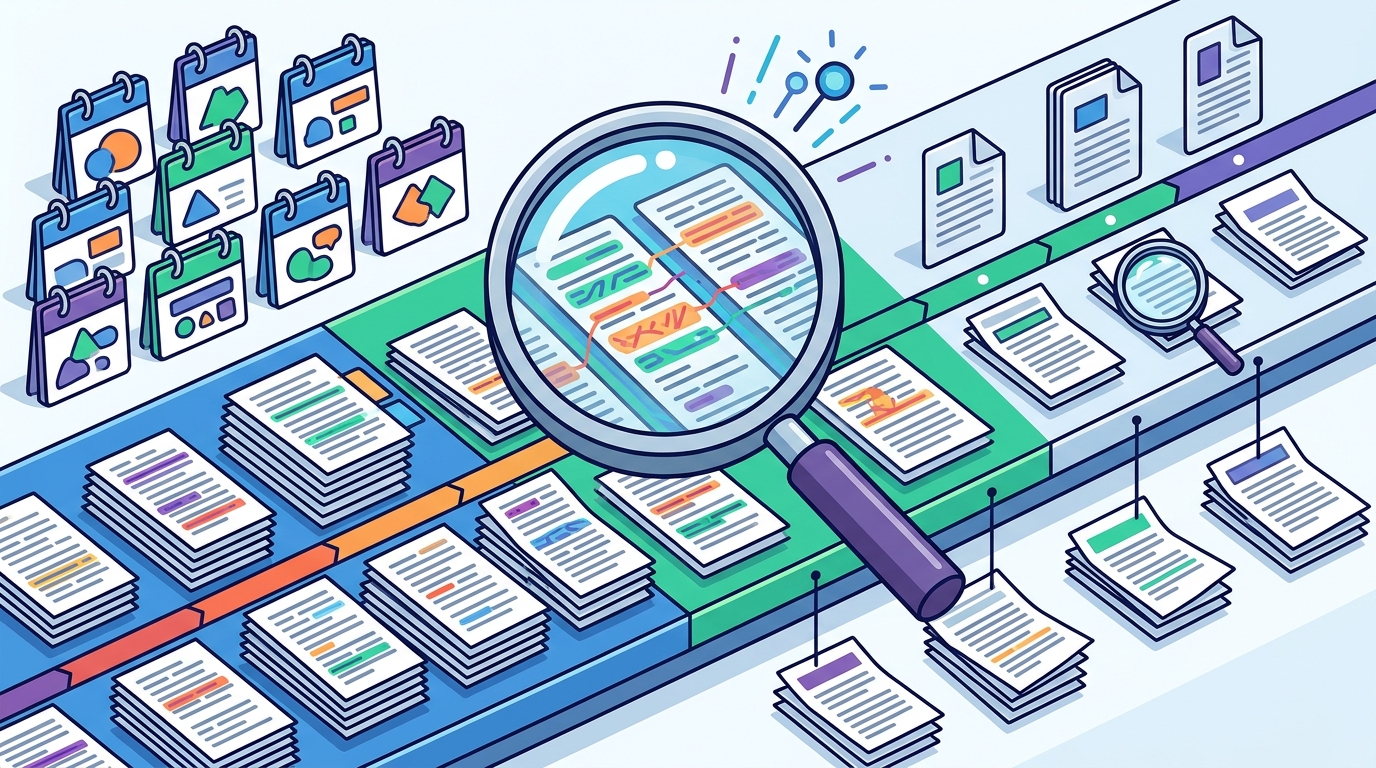
Establishing a consistent review schedule prevents the backlog of unreviewed calls that often leads to missed fraud attempts. The ideal frequency depends on the volume of incoming calls and the initial setup phase. A structured approach ensures that no suspicious activity goes unnoticed while avoiding the fatigue of constant monitoring.
Phase 1: The First Two Weeks (Daily Review)
During the initial setup period, review every transcript daily. This high-frequency check serves two purposes. First, it allows you to verify that legitimate callers, such as doctors or family members, are ringing through correctly. Second, it helps you identify any false positives where a real business might have been screened too aggressively. In the first week, you may need to adjust your favorites list and screening modes based on what you see in the logs. This daily habit builds a baseline of normal activity for the specific phone line.
Phase 2: The First Month (Every Other Day)
Once the initial setup is stable and you have confirmed that your favorites are working, you can reduce the frequency to every other day. This schedule is sufficient for most households where the call volume is moderate. Focus your attention on the "Shielded" and "Message" categories. These are the calls that did not ring the phone. If you see a pattern of repeated attempts from the same type of caller, adjust your rules. This phase helps transition from active configuration to passive monitoring.
Phase 3: Ongoing Maintenance (Weekly Summary)
After the first month, a weekly review is generally sufficient for long-term maintenance. Use the summary features in the PhoneShield.ai dashboard to scan for trends rather than reading every individual transcript. Look for spikes in call volume or new types of scams that have not appeared before. This weekly check ensures that the system remains effective as scam tactics evolve. It also provides a natural checkpoint to update your block lists and favorites if your family's routine changes.
| Review Phase | Frequency | Primary Focus | Goal |
|---|---|---|---|
| Initial Setup | Daily | Verification of favorites and false positives | Calibrate screening rules |
| Stabilization | Every other day | Shielded calls and message logs | Identify emerging patterns |
| Maintenance | Weekly | Trend summaries and volume spikes | Long-term security and updates |
Key Takeaways
- Review transcripts daily for the first two weeks to calibrate your screening rules and verify favorites.
- Shift to an every-other-day review during the first month to manage workload while maintaining oversight.
- Adopt a weekly summary review for long-term maintenance to catch evolving scam trends.
- Look for urgency and emotional manipulation in the text, not just the caller's name.
- Identify number rotation by checking if multiple unknown numbers use similar scripts.
- Use the PhoneShield.ai dashboard to group calls by content similarity to spot coordinated campaigns.
- Adjust your block lists and favorites regularly based on the patterns you observe in the logs.
Frequently Asked Questions
How long should I keep call transcripts?
PhoneShield.ai retains transcripts for a period that allows for historical analysis. You can review past calls to identify long-term trends. Keeping a record of blocked scams helps you understand the types of threats targeting your family over time.
Can I see who called if the number was blocked?
Yes, the dashboard displays the number and the transcript of the conversation for blocked calls. This allows you to verify that the system correctly identified the caller as a scammer. You can also add specific numbers to your personal block list if you wish.
What if a legitimate business gets screened?
If a legitimate caller is screened, they will leave a message or be directed to the assistant. You can review the transcript and add that number to your favorites list. This ensures they ring through directly in the future.
Does the review process require reading every word?
How do I know if a pattern is a scam?
Look for repeated attempts from different numbers with similar content. If multiple unknown callers ask for the same information or use the same urgent language, it is likely a coordinated scam campaign.
Can I set up alerts for specific patterns?
PhoneShield.ai provides notifications for significant events. You can configure alerts to receive an email when a new type of scam is detected or when the call volume spikes. This helps you stay informed without constant manual review.
Is it safe to share transcripts with family members?
Yes, you can share access to the dashboard with trusted family members. This allows multiple people to review the logs and help identify patterns. It is a collaborative way to ensure the phone line remains secure.
Conclusion
Protecting a parent's phone from fraud is an ongoing process that requires consistent attention. By establishing a clear schedule for reviewing call transcripts, you can identify emerging threats and adjust your defenses accordingly. Start with daily reviews to calibrate the system, then transition to a weekly summary for long-term maintenance. PhoneShield.ai provides the tools to make this process manageable and effective. Visit PhoneShield.ai to set up your protection today.