
Residents in Austin, Texas, face a high volume of fraudulent calls, but the federal government provides several free tools to help manage them. These resources allow you to register your number, report bad actors, and enable carrier-level filtering at no cost. While these government options are a strong first line of defense, they work best when combined with a dedicated screening service that answers unknown callers for you.
1. Register with the National Do Not Call Registry
Stop legal telemarketers from calling you. The National Do Not Call Registry is a federal database that prohibits most telemarketers from calling registered numbers. It is free to register and covers both landlines and mobile phones. While it does not stop illegal scammers, it significantly reduces the volume of legitimate sales calls that often precede more aggressive fraud attempts.
2. Report Fraud to the FTC Consumer Sentinel Network
Help law enforcement identify and shut down scam operations. The Federal Trade Commission (FTC) maintains the Consumer Sentinel Network, which aggregates fraud reports from consumers and law enforcement agencies. Reporting a scam call to the FTC is free and helps build a case against the perpetrators. This data is shared with other agencies, including the FBI, to help track down the source of the calls.
3. File a Report with the FBI IC3
Document cyber-enabled fraud for federal investigation. The Internet Crime Complaint Center (IC3) is the FBI’s primary channel for reporting cybercrime, including phone-based scams that lead to online fraud. If a scammer convinced you to send money or share sensitive information, filing a report with the IC3 is a critical step. It provides the FBI with the data needed to investigate and potentially recover funds.
4. Enable Carrier-Based Spam Filtering
Use your mobile carrier’s free spam protection features. Major carriers like AT&T, Verizon, and T-Mobile offer free spam call filtering and labeling features. These tools use machine learning to identify and label calls as "Spam Likely" or "Potential Fraud." While these filters are a good start, they often rely on known bad numbers and may miss new scam calls that use fresh, unreported phone numbers.
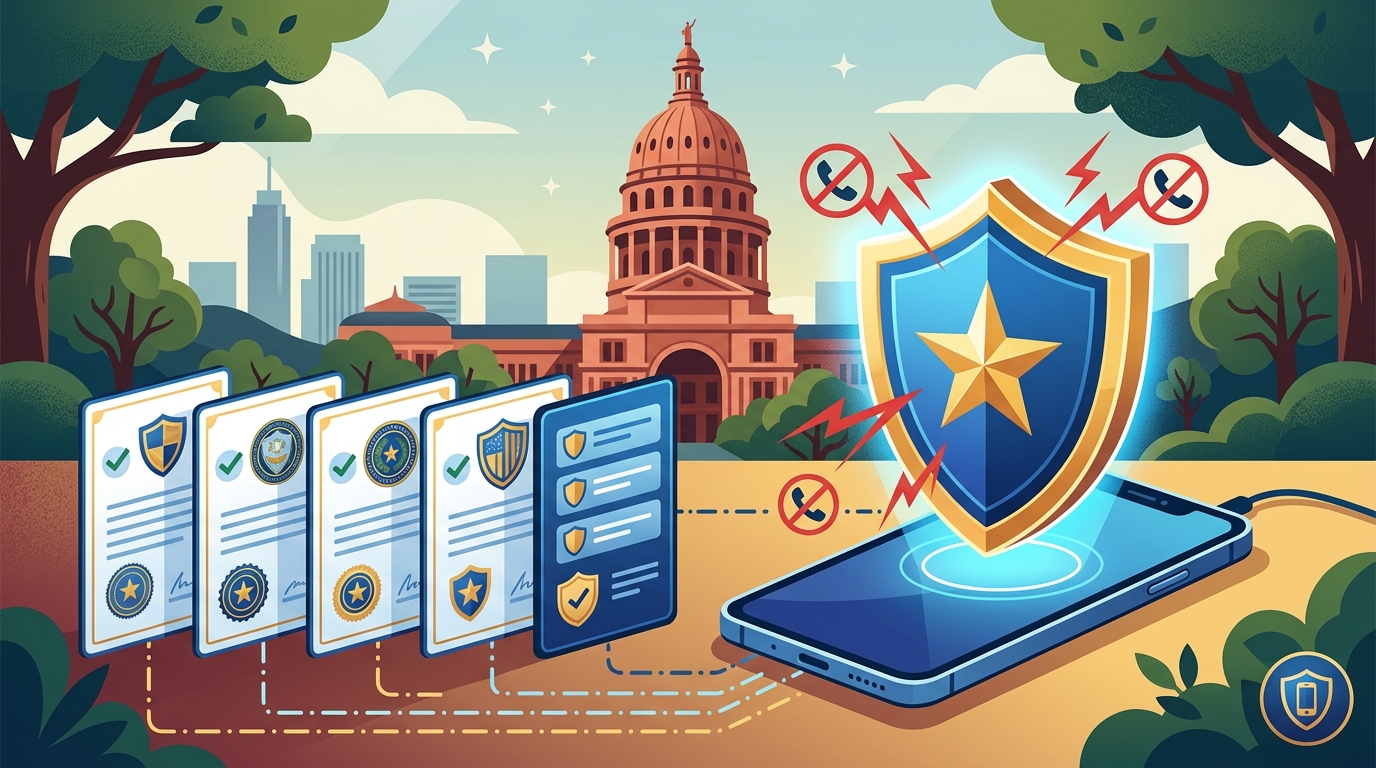
5. Utilize STIR/SHAKEN Caller ID Authentication
Verify the authenticity of incoming calls. STIR/SHAKEN is a security framework that verifies the caller ID of incoming calls. It helps prevent "spoofing," where scammers disguise their number to look like a local or trusted business. While this technology is implemented by carriers, understanding how it works helps you identify calls that have failed authentication, which are often scams.
Choosing the Right First Step
Start by registering with the National Do Not Call Registry and enabling your carrier’s free spam filters. These are the easiest and most immediate steps you can take. However, if you are still receiving high volumes of scam calls, consider a dedicated service like PhoneShield. PhoneShield goes beyond simple blocking by answering unknown callers and screening them before they reach your phone, providing a more robust defense for you and your family.
Frequently Asked Questions
Is the National Do Not Call Registry free?
Yes, registering with the National Do Not Call Registry is completely free. You can register your mobile and landline numbers online or by phone, and the registration is valid for life.
Does the Do Not Call Registry stop scam calls?
No, the registry only stops legal telemarketers. Illegal scammers are not required to register with the registry and often ignore it. It is a tool for reducing legitimate sales calls, not for stopping fraud.
How do I report a scam call to the FTC?
You can report a scam call to the FTC by visiting their online reporting portal or by calling their consumer response center. The FTC uses these reports to identify patterns and take action against fraudulent entities.
Are carrier spam filters effective against all scams?
Carrier spam filters are effective against known spam numbers but may miss new scam calls. Scammers often use new, unreported numbers to bypass these filters, which is why a more proactive screening solution may be necessary.
What is STIR/SHAKEN and how does it help?
STIR/SHAKEN is a caller ID authentication framework that verifies the origin of a call. It helps prevent spoofing by ensuring that the number displayed on your phone matches the actual source of the call, making it easier to identify fraudulent calls.
Can I use these government options in Austin, Texas?
Yes, all these federal options are available to residents in Austin, Texas, and across the United States. They are national resources that apply to all U.S. phone numbers regardless of location. Learn more: https www phoneshield ai.