
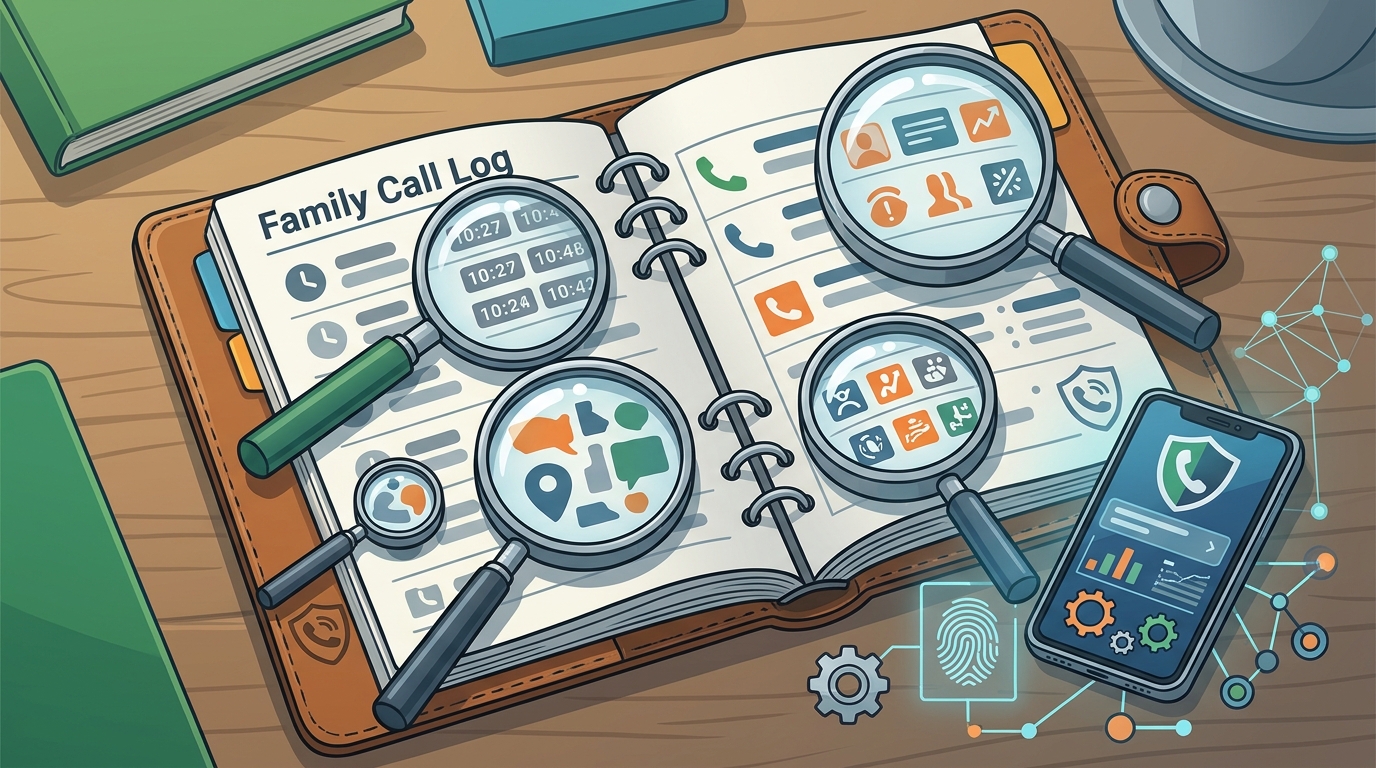
Scanning a blocked call log is not just about counting missed calls. It is a forensic exercise in pattern recognition. PhoneShield.ai helps families identify fraud by analyzing the context of refused calls, not just the numbers. This guide outlines the specific red flags that indicate a targeted scam campaign rather than random spam.
1. Repeated Attempts from the Same Number
One number calling multiple times in a short window is a primary indicator of a targeted attack. Legitimate businesses rarely call back immediately if they reach voicemail. Scammers, however, often use automated dialers that retry a number until it is answered. If you see the same unknown number appear three or more times within an hour, it is a high-confidence signal of a scam script.
2. Local Area Codes with Unknown Names
Caller ID spoofing often uses local area codes to increase the answer rate. A call from a number that shares the same area code as your family member is more likely to be picked up than an out-of-state number. When a blocked log shows a local number that is not in the contact list, it warrants a closer look at the transcript. This tactic is common in bank impersonation and government agency scams.
3. Urgency Keywords in Transcripts
Words like "immediately," "today," or "final notice" are hallmarks of social engineering. Scammers rely on creating a sense of panic to bypass rational decision-making. When reviewing the text transcripts provided by a call screening service, look for language that pressures the recipient to act without thinking. A legitimate caller will rarely use high-pressure urgency in their initial greeting.
4. Requests for Payment or Verification
Any mention of gift cards, wire transfers, or "verifying" account details is a definitive fraud marker. No legitimate bank, utility, or government agency will ask for payment via gift cards or demand immediate verification of sensitive data over an unsolicited call. If the transcript contains these specific requests, the call is fraudulent regardless of how professional the caller sounds.
5. Calls During Unusual Hours
Scam operations often run on 24/7 schedules, unlike most local businesses. If the blocked logs show attempts at 2:00 AM or during holidays, it is a strong indicator of an overseas call center. While some businesses operate late, a pattern of late-night calls from unknown numbers suggests an automated system trying to catch the recipient when they are tired and less vigilant.
6. The "Grandchild in Trouble" Script
Emotional manipulation scripts often mimic family voices or use distressed tones. This specific scam targets older adults by claiming a relative is in jail or has had an accident. In a blocked log, this may appear as a call from an unknown number that was refused by the screening AI. The transcript will likely contain phrases like "please don't tell your mother" or "I can't speak freely." Recognizing this pattern is critical for protecting elderly family members.
7. High Volume of Short-Duration Calls
A spike in calls that last only a few seconds indicates a dialer testing active numbers. Scammers use these "ping" calls to verify that a phone number is in service and being answered. If you see a cluster of calls that were blocked or ended after 5 to 10 seconds, it means the number has been flagged by a bot. This is a precursor to more aggressive scam attempts in the coming days.
Choosing the Right Defense
When reviewing these signs, the goal is to distinguish between random noise and targeted fraud. A single missed call is rarely a threat. A pattern of urgency, local spoofing, and payment requests is a clear warning. PhoneShield.ai is designed to catch these patterns before they reach the phone, ensuring that only verified family and favorites ring through. By understanding these seven signs, you can better interpret the data your protection service provides.
Frequently Asked Questions
How often should I review my blocked call logs?
It is best to review logs weekly. This allows you to spot trends without being overwhelmed by daily noise. A weekly review helps you identify if a specific scammer is persisting with their attempts.
Does a blocked call mean the scammer knows my number?
Not necessarily. Scammers often buy lists of numbers or use random dialers. However, if the call is highly personalized, it suggests your number was obtained from a data breach or a previous interaction.
Can I trust the caller ID on a blocked call?
No. Caller ID is easily spoofed. A number that appears to be from a local bank or government agency may actually be from an overseas call center. Always rely on the transcript and context rather than the displayed name.
What should I do if I see a "Grandchild in Trouble" script?
Do not call back the number. Instead, contact your family member directly using a known, trusted number to verify their safety. If the call was blocked by a service like PhoneShield, the threat was neutralized before it reached the victim.
Is it normal to have many blocked calls in a month?
Yes. With billions of robocalls placed annually, a high volume of blocked calls is expected. The key is not the quantity, but the quality and pattern of the calls. Focus on the warning signs listed above rather than the total count.
How does PhoneShield help with pattern recognition?
PhoneShield uses an AI front desk to screen calls and provides detailed transcripts. This allows you to see exactly what the caller said, making it easier to identify fraud patterns like urgency or payment requests. The service refuses known scam numbers before they ring, reducing the noise in your logs.